Aerial Views from Asia to Europe
ေရႊ ဆိုသည္မွာ… … ေရႊ အေခၚအေ၀ၚႏွင့္တြက္ခ်က္နည္းမ်ား

ေရႊ ဆိုသည္မွာ… … ေရႊ အေခၚအေ၀ၚႏွင့္တြက္ခ်က္နည္းမ်ား (၁) ေရႊ၏ဂုဏ္သတၱိမ်ား Symbol of gold = Au (Aurum) (Latin word) (အ႐ုဏ္ဦးအလင္းေရာင္) Atomic number of gold = 75 Atomic mass of gold = 196.96655 amu Density of pure gold = 19.4 g/cm3(Normally 19.32 , 19.2) Melting point = Boiling point = Quality (Purity) of pure gold = 24 carats ေပါၾကြယ္၀မႈအဆင့္ =… Continue reading ေရႊ ဆိုသည္မွာ… … ေရႊ အေခၚအေ၀ၚႏွင့္တြက္ခ်က္နည္းမ်ား
ကရင္ျပည္နယ္မွာ DKBA နဲ႔ တုိက္ပြဲေတြ ဆက္လက္ျဖစ္ပြား

ျမန္မာဌာန | သတင္းမ်ား ကရင္ျပည္နယ္မွာ DKBA နဲ႔ တုိက္ပြဲေတြ ဆက္လက္ျဖစ္ပြား 2015-07-10 ပံုႏွိပ္ပါ ရွယ္ပါ မွတ္ခ်က္ေပးပါ အီးေမးလ္ ဦးႏုိင္ဟံသာနဲ႔ ေမးျမန္းခ်က္ DKBA ကလို႔ထူးေဘာ တပ္ဖြဲ႔ဝင္တခ်ဳိ႔ စစ္ေရးျပေနစဥ္ Photo: Kyaw Lwin Oo/RFA DKBA ဒီမိုကေရစီအက်ိ္ဳးျပဳ တပ္မေတာ္တပ္ေတြနဲ႔ အစိုးရတပ္ေတြအၾကား အာရွလမ္းမႀကီးေပၚမွာ တိုက္ပြဲျဖစ္ ပြားတာမရွိေပမယ့္ ေတာင္ေၾကာေတြေပၚမွာေတာ့ ဒီေန႔ တုိက္ပြဲေတြ ဆက္လက္ျဖစ္ပြားေနတယ္လို႔ DKBA တပ္မွဴး ဗိုလ္မွဴးခ်ဳပ္ေက်ာ္သက္က RFA ကိုေျပာပါတယ္။ DKBA တပ္ေတြအေနနဲ႔ လမ္းမေပၚမွာ ေနရာယူထားတာကို ေတာင္ေၾကာေပၚကို ဆုတ္ခြာေပးလိုက္ရေပမယ့္ မေန႔ကညပိုင္းနဲ႔ ဒီေန႔မနက္ပိုင္းေတြမွာ အစုိးရဘက္က လက္နက္ႀကီးနဲ႔ပစ္ၿပီး မြန္းလြဲ ၂ နာရီေနာက္ပိုင္းမွာ လူပါတက္လာတာေၾကာင္႔ တုိက္ပြဲျဖစ္ပြားရတာျဖစ္တယ္လုိ႔ DKBA တပ္ဖြဲ႔အရာရွိ… Continue reading ကရင္ျပည္နယ္မွာ DKBA နဲ႔ တုိက္ပြဲေတြ ဆက္လက္ျဖစ္ပြား
ျပည္သူ႔ဘက္က ဗိုလ္ခ်ဳပ္ႀကီး တစ္ေယာက္ NLD နာယက၊ ကာကြယ္ေရးဦးစီးခ်ဳပ္ေဟာင္း သူရဦးတင္ဦး
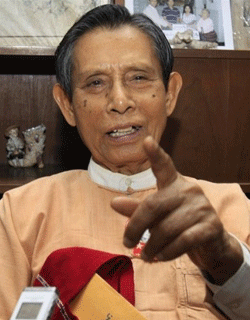
ျမန္မာဌာန | အပတ္စဥ္ က႑မ်ား ျပည္သူ႔ဘက္က ဗိုလ္ခ်ဳပ္ႀကီး တစ္ေယာက္ ပံုႏွိပ္ပါ ရွယ္ပါ မွတ္ခ်က္ေပးပါ အီးေမးလ္ ျပည္သူ႔ဘက္က ဗိုလ္ခ်ဳပ္ႀကီး (၂ဝ၉) NLD နာယက၊ ကာကြယ္ေရးဦးစီးခ်ဳပ္ေဟာင္း သူရဦးတင္ဦးက သူ႔ရဲ႕ဘဝအေတြ႔အႀကဳံေတြကုိ အပတ္စဥ္တင္ျပေနတဲ့ ျပည္သူ႔ဖက္က ဗုိလ္ခ်ဳပ္ႀကီးတေယာက္ အစီအစဥ္ ကုိ RFA က ၂ ႏွစ္ၾကာတင္ဆက္ခဲ့ရာမွာ ၂ဝဝ၃ ခုႏွစ္ ဒီပဲယင္းအေရးအခင္းမတုိင္မီ ေဒၚေအာင္ဆန္းစုၾကည္ ခ်င္းျပည္နယ္ သြားေရာက္စဥ္က အေတြ႔အႀကဳံေတြနဲ႔ ဒီအပတ္ အဆုံးသတ္မွာျဖစ္ပါတယ္။ ဦးခင္ေမာင္စုိးက စီစဥ္တင္ဆက္ ထားပါတယ္။ အပိုင္း (၂ဝ၉) နားေထာင္ရန္။ အသံဖိုင္ယူရန္ http://www.rfa.org/burmese/features/tin_oo_weekly-03152011164621.html ျပည္သူ႔ဘက္က ဗိုလ္ခ်ဳပ္ႀကီး (၂ဝ၈) လက္ရွိ NLD နာယက၊ ကာကြယ္ေရးဦးစီးခ်ဳပ္ေဟာင္း သူရဦးတင္ဦးက သူ႔ရဲ႕ဘဝအေတြ႔အၾကဳံေတြကုိ အပတ္စဥ္တင္ျပေနတဲ့… Continue reading ျပည္သူ႔ဘက္က ဗိုလ္ခ်ဳပ္ႀကီး တစ္ေယာက္ NLD နာယက၊ ကာကြယ္ေရးဦးစီးခ်ဳပ္ေဟာင္း သူရဦးတင္ဦး
အမ်ိဳးသားဒီမိုကေရစီအဖြဲ႕ခ်ဳပ္ ကုိဝန္းရံ အားေပးျခင္း သည္ ျမန္မာျပည္အနာဂါတ္ကုိလွပေစျခင္းျဖစ္သည္
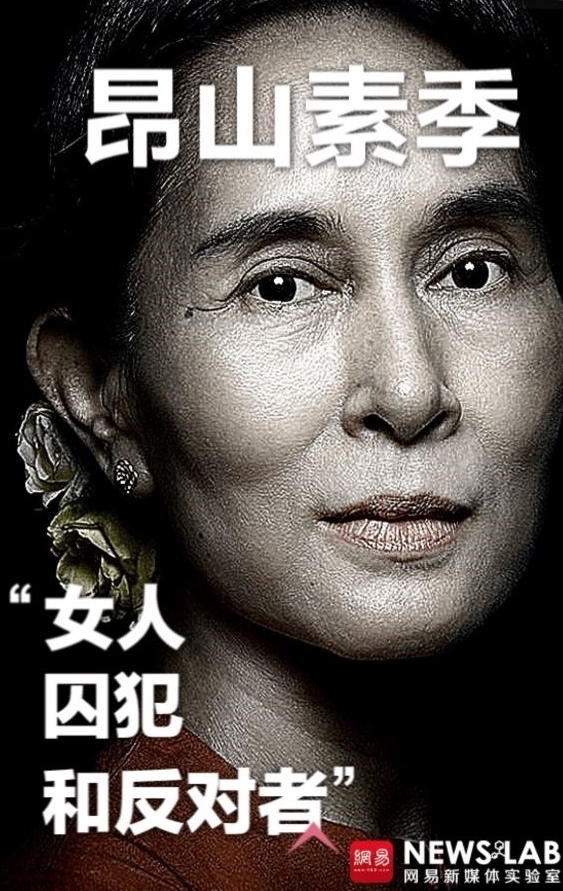
Myo Yan Naung Thein 6 hrs · မဂၤလာန့နက္ခင္းပါ မိတ္ေဆြတုိ႕ ျမန္မာျပည္ အေျပာင္းအလဲ အတြက္ ႀကိဳးစားရန္ ၃ လ ေက်ာ္သာ လုိေတာ႕သည္မုိ႕ က်ေတာ္တို႕ တစ္ေတြ အုိးျပစ္အိမ္ျပစ္ သားျပစ္ မယားျပစ္ ရွိသမ်ွေငြ ေႀကး ခြန္အား စုိက္ထုတ္ ျပီး တစ္သက္မွာ ေနာက္တစ္ခါ ျပန္မရႏုိင္တဲ႕ အခြင္႕အေရးအတြက္ က်ြန္ေတာ္တုိ႕ အားလုံးညီညီညာညာ နဲ႕ မအိပ္မေန ႀကိဳးစားႀကပါစုိ႕ အဖြဲ႕ခ်ဳပ္ ကုိဝန္းရံ အားေပးျခင္း သည္ ျမန္မာျပည္အနာဂါတ္ကုိလွပေစျခင္းျဖစ္သည္ https://www.facebook.com/myoyannaung.thein.9?fref=nf&pnref=story
ဦးေမာင္ေမာင္သိမ္းသည္ ယခင္က ေမြးျမဴေရးႏွင့္ ေရလုပ္ငန္း၀န္ႀကီးဌာန ၀န္ႀကီးအျဖစ္ တာ၀န္ထမ္းေဆာင္ ခဲ့ၿပီး ၂၀၁၀ အေထြေထြ ေရြးေကာက္ပြဲ တြင္ ခရမ္းၿမိဳ႕နယ္ ျပည္သူ႕လႊတ္ေတာ္ ကိုယ္စားလွယ္အျဖစ္

Myanmartandawsint Newspaper 13 mins · ႀကံ့ခိုင္ေရး သမၼတေလာင္းအျဖစ္ နာမည္ထြက္ေနသူ ပါတီ အေထြေထြအတြင္းေရးမွဴး ဦးေမာင္ေမာင္သိမ္းႏွင့္ မိသားစု မဲစာရင္းတြင္ မပါ၀င္ ရန္ကုန္၊ ဇူလိုင္ ၈ လာမည့္ အစိုးရသက္တမ္းအတြက္ ႀကံ့ခိုင္ေရးပါတီမွ သမၼတေလာင္းအျဖစ္ တင္သြင္းခံရမည္ဟု တစ္ေပး ခံထားရေသာ ပါတီအေထြေထြ အတြင္းေရးမွဴးျဖစ္သူ ဦးေမာင္ေမာင္သိမ္းႏွင့္ ၎မိသားစု၀င္တို႔၏ အမည္မ်ား မွာ ၂၀၁၅ ေရြးေကာက္ပြဲအတြက္ ဆႏၵမဲေပးပိုင္ခြင့္ရွိသူ လူစာရင္းတြင္ မပါ၀င္ဘဲ က်န္ရစ္ခဲ့ေၾကာင္း ဇူလိုင္လ ၈ ရက္တြင္ ဦးေမာင္ေမာင္သိမ္းက ျမန္မာသံေတာ္ဆင့္သို႔ အတည္ျပဳ ေျပာၾကား လိုက္သည္။ ဦးေမာင္ေမာင္သိမ္းသည္ ယခင္က ေမြးျမဴေရးႏွင့္ ေရလုပ္ငန္း၀န္ႀကီးဌာန ၀န္ႀကီးအျဖစ္ တာ၀န္ထမ္းေဆာင္ ခဲ့ၿပီး ၂၀၁၀ အေထြေထြ ေရြးေကာက္ပြဲ တြင္… Continue reading ဦးေမာင္ေမာင္သိမ္းသည္ ယခင္က ေမြးျမဴေရးႏွင့္ ေရလုပ္ငန္း၀န္ႀကီးဌာန ၀န္ႀကီးအျဖစ္ တာ၀န္ထမ္းေဆာင္ ခဲ့ၿပီး ၂၀၁၀ အေထြေထြ ေရြးေကာက္ပြဲ တြင္ ခရမ္းၿမိဳ႕နယ္ ျပည္သူ႕လႊတ္ေတာ္ ကိုယ္စားလွယ္အျဖစ္
NLD ပါတီ မဲဆႏၵနယ္ ၁၂ဝဝ နီးပါးမွာ ဝင္ေရာက္ယွဥ္ၿပိဳင္ မွာျဖစ္ေၾကာင္း အမ်ိဳးသားဒီမုိကေရစီအဖြဲဲ႔ခ်ဳပ္ ဥကၠဌ ေဒၚေအာင္ဆန္းစုၾကည္ က ေျပာလုိက္ပါတယ္။

ျမန္မာဌာန | သတင္းမ်ား NLD ပါတီ မဲဆႏၵနယ္ ၁၂ဝဝ နီးပါးမွာ ဝင္ေရာက္ယွဥ္ၿပိဳင္မည္ 2015-07-11 ပံုႏွိပ္ပါ ရွယ္ပါ မွတ္ခ်က္ေပးပါ အီးေမးလ္ အသံဖိုင္ နားေထာင္ရန္နဲ႔ ရယူရန္ ဦးဝင္းျမင့္နဲ႔ ေမးျမန္းခ်က္ အမ်ိဳးသားဒီမုိကေရစီအဖြဲ႔ခ်ဳပ္ ဥကၠဌ ေဒၚေအာင္ဆန္းစုၾကည္ဟာ ေနျပည္ေတာ္မွာ ဇူလိုင္လ ၁၁ ရက္ေန႔က သတင္းစာရွင္းလင္းပြဲျပဳလုပ္စဥ္ Photo: Win Naung Toe/RFA အမ်ိဳးသားဒီ္မုိကေရစီအဖြဲ႔ခ်ဳပ္ NLD ပါတီဟာ လာမယ့္ ၂ဝ၁၅ ေရြးေကာက္ပြဲမွာ မဲဆႏၵနယ္ တစ္ေထာင့္ႏွစ္ရာ နီးပါးမွာ ဝင္ေရာက္ယွဥ္ၿပိဳင္သြားမွာျဖစ္ေၾကာင္း အမ်ိဳးသားဒီမုိကေရစီအဖြဲဲ႔ခ်ဳပ္ ဥကၠဌ ေဒၚေအာင္ဆန္းစုၾကည္ က ေျပာလုိက္ပါတယ္။ ဒီေန႔ ေနျပည္ေတာ္ ေဒၚေအာင္ဆန္းစုၾကည္ရဲ႕ေနအိမ္မွာ NLD ပါတီရဲဲ႕ ဗဟုိအလုပ္အမႈေဆာင္ အစည္းအေဝး အၿပီး သတင္းစာရွင္းလင္းပြဲမွာ… Continue reading NLD ပါတီ မဲဆႏၵနယ္ ၁၂ဝဝ နီးပါးမွာ ဝင္ေရာက္ယွဥ္ၿပိဳင္ မွာျဖစ္ေၾကာင္း အမ်ိဳးသားဒီမုိကေရစီအဖြဲဲ႔ခ်ဳပ္ ဥကၠဌ ေဒၚေအာင္ဆန္းစုၾကည္ က ေျပာလုိက္ပါတယ္။
သစ်တောကြိုးဝိုင်းကို ဖျက်ပြီး ထားဝယ် ဖွံ့ဖြိုး တိုးတက်ရေး အများ ပိုင် ကုမ္ပဏီ လီမိတက် DDPC ဆိုတဲ့ ပုဂ္ဂလိက ကုမ္ပဏီလက်ထဲလွှဲ ပေး ခဲ့ တာ နဲ့ ပတ်သက်ပြီး ဒေသခံ ရွာ သား တွေ က မကျေမနပ် ဖြစ်နေ
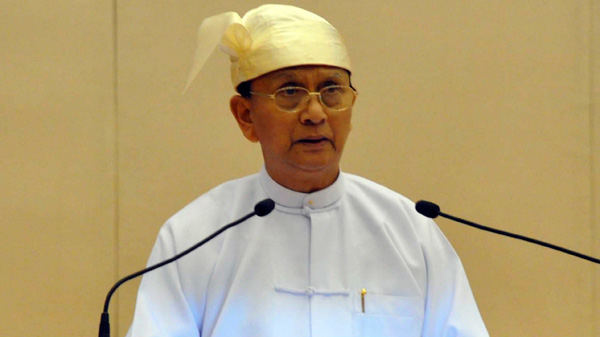
သစ်တောကြိုးဝိုင်းကို ဖျက်ပြီး ကုမ္ပဏီလက်ထဲ အပ်နေ လွန်ခဲ့သော 9 နာရီက ဝေမျှပါ ရွာခံ တွေ အစဉ် အဆက် အသုံးပြု ခဲ့တဲ့ စားကျက် မြေ တွေ အပါအဝင် ရွာခံ တွေ မှီခို ရှာဖွေ စားသောက် နိုင်ခဲ့တဲ့ သီဟိုဠ် တောကြီး ကွယ် ပျောက် ခဲ့ ရပြီး ဖြစ်။ တနင်္သာရီတိုင်း ထားဝယ် မြို့နယ် မောင်းမကန် ရွာ နား က ဧက ရာနဲ့ ချီတဲ့ သစ်တော ကြိုးဝိုင်း ကို အာဏာပိုင် တွေ က ပယ်ဖျက် ပြီး ထားဝယ် ဖွံ့ဖြိုး တိုးတက်ရေး အများ ပိုင် ကုမ္ပဏီ… Continue reading သစ်တောကြိုးဝိုင်းကို ဖျက်ပြီး ထားဝယ် ဖွံ့ဖြိုး တိုးတက်ရေး အများ ပိုင် ကုမ္ပဏီ လီမိတက် DDPC ဆိုတဲ့ ပုဂ္ဂလိက ကုမ္ပဏီလက်ထဲလွှဲ ပေး ခဲ့ တာ နဲ့ ပတ်သက်ပြီး ဒေသခံ ရွာ သား တွေ က မကျေမနပ် ဖြစ်နေ
ျမန္မာ-အိႏိၵယ နယ္စပ္: လူဦးေရး (၂) သန္းေလာက္ရွိတဲ့ မဏိပူျပည္နယ္ဟာ (၁၉) ရာစုအေစာပိုင္း ဘႀကီးေတာ္မင္း လက္ထက္မွာ ျမန္မာ့လက္ေအာက္ခံ ျဖစ္ခဲ့ပါတယ္
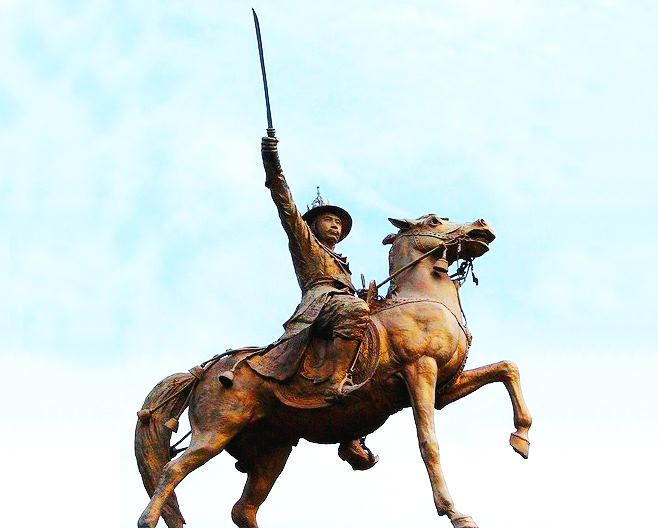
ျမန္မာ-အိႏိၵယ နယ္စပ္ ပံုႏိွပ္ရန္ မွတ္ခ်က္ ျဖန္႔ေဝရန္ ျမန္မာ-အိႏိၵယ နယ္နိမိတ္ မီဒီယာ အသံ ျမန္မာ-အိႏိၵယနယ္စပ္ နားဆင္ရန္ Playlist ဦးေအာင္ခင္, ေက်ာ္ေက်ာ္သိန္း 09.07.2015 10:15 လြန္ခဲ့တဲ့လက မဏိပူျပည္နယ္ထဲ ဝင္ေရာက္တိုက္ခိုက္ခဲ့တဲ့ မဏိပူနဲ႔ နာဂသူပုန္တို႔ကို အိႏိၵယအစိုးရတပ္က ျမန္မာျပည္ထဲအထိ လိုက္လံတုိက္ခိုက္ခဲ့ပါတယ္။ ဒီကိစၥနဲ႔ ပတ္သက္ၿပီး အျငင္းပြားစရာ ရွိေပမယ့္ ျမန္မာအစိုးရနဲ႔ နားလည္မႈယူထားလို႔သာ ဒီလုိ လုပ္ႏိုင္တာလုိ႔ သံုးသပ္ၾကပါတယ္။ အခုလို မဏိပူျပည္နယ္ထဲ သူပုန္ဝင္ေရာက္တိုက္ခိုက္ႏုိင္တာ တရုတ္ရဲ ႔ အကူအညီေထာက္ပံ့မႈေၾကာင့္ ျဖစ္တယ္လို႔ အိႏၵိယ စာနယ္ဇင္းေတြက စြပ္စြဲတာကို အေျခအျမစ္ မရွိဘူးလုိ႔ တရုတ္က ျငင္းဆုိပါတယ္။ အိႏိၵယနဲ႔ ျမန္မာအစိုးရ ပူးတြဲၿပီး ျမန္မာဘက္က အိႏိၵယ သူပုန္စခန္းကို စစ္ဆင္ေရးလုပ္တဲ့ အစဥ္အလာလည္း ရွိပါတယ္။… Continue reading ျမန္မာ-အိႏိၵယ နယ္စပ္: လူဦးေရး (၂) သန္းေလာက္ရွိတဲ့ မဏိပူျပည္နယ္ဟာ (၁၉) ရာစုအေစာပိုင္း ဘႀကီးေတာ္မင္း လက္ထက္မွာ ျမန္မာ့လက္ေအာက္ခံ ျဖစ္ခဲ့ပါတယ္
၁၈၂၄ မွာ အဂၤလိပ္ သိမ္းပိုက္ေတာ့ ရခုိင္ေဒသမွာ လူဦးေရနည္းလြန္းတဲ့အတြက္ စစ္တေကာင္းနယ္သားေတြ ဝင္လာေအာင္ အားေပးခဲ့ပါတယ္
မ်က္ေမွာက္ေရးရာ / သတင္းသံုးသပ္ခ်က္ ျမန္မာ-ဘဂၤလားေဒ့ရွ္ ျပႆနာ ပံုႏိွပ္ရန္ မွတ္ခ်က္ ျဖန္႔ေဝရန္ The Naf River, on the border of Bangladesh and Myanmar မီဒီယာ အသံ ျမန္မာ-ဘဂၤလားေဒ့ရွ္ ျပႆနာ နားဆင္ရန္ Playlist ဦးေအာင္ခင္, ေက်ာ္ေက်ာ္သိန္း 02.07.2015 14:19 ဘဂၤါလီ/ရိုဟင္ဂ်ာနဲ႔ ဘဂၤလားေဒ့ရွ္ ျပည္သားေတြပါဝင္တဲ့ ေလွစီးေျပးသတင္းနဲပ နယ္စပ္ပစ္ခတ္မႈသတင္းေၾကာင့္ ျမန္မာ-ဘဂၤလားေဒ့ရွ္ လူဝင္မႈျပႆနာကို အာရံုစုိက္လာၾကျပန္တယ္။ ႏွစ္ေပါင္းမ်ားစြာ တအံုေႏြးေႏြးျဖစ္လာခဲ့တဲ့ လူဝင္မႈျပႆနာ ေပါက္ကြဲတဲ့အခါမွာ ကမာၻ႔သတင္း ျဖစ္သြားပါတယ္။ အေမရိကန္အစိုးရ အထူးအာရံုစိုက္တဲ့ကိစၥ ျဖစ္လာပါတယ္။ ေလွစီးေျပးမႈေတြနဲ႔ လူ႔အခြင့္အေရး ေဆာ္ၾသမႈေတြ မ်ားလာတဲ့အတြက္ ဘဂၤါလီ/ရိုဟင္ဂ်ာကိစၥဟာ ေဒသဆုိင္ရာနဲ႔ အျပည္ျပည္ဆိုင္ရာ ျပႆနာအသြင္ေဆာင္လာၿပီး သက္ဆုိင္ရာ အစိုးရေတြ အေရးယူေဆာင္ရြက္ရမယ့္ကိစၥတခုလုိ… Continue reading ၁၈၂၄ မွာ အဂၤလိပ္ သိမ္းပိုက္ေတာ့ ရခုိင္ေဒသမွာ လူဦးေရနည္းလြန္းတဲ့အတြက္ စစ္တေကာင္းနယ္သားေတြ ဝင္လာေအာင္ အားေပးခဲ့ပါတယ္
#MyanmarElectoralRight မဲေပးခြင့္မဆံုး႐ႈံးေရး အေထာက္အထားႏွင့္ Institutional Demand – ေအာင္ထြန္းလင္း by Myanmartandawsint Newspaper
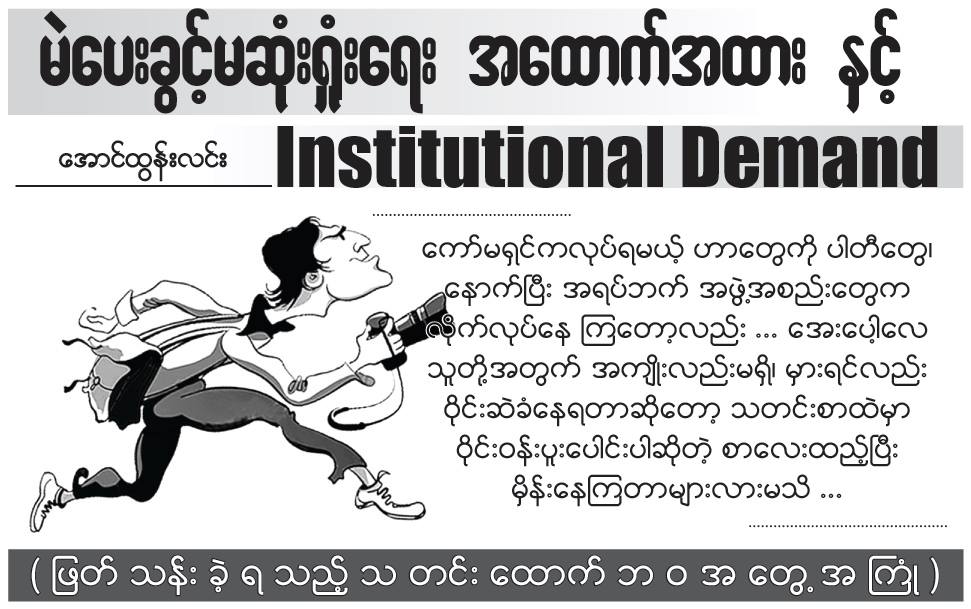
မဲေပးခြင့္မဆံုး႐ႈံးေရး အေထာက္အထားႏွင့္ Institutional Demand – ေအာင္ထြန္းလင္း ေကာ္မရွင္က လုပ္ရမယ့္ဟာေတြကို ပါတီေတြ၊ ေနာက္ၿပီး အရပ္ဘက္ အဖြဲ႕အစည္းေတြက လိုက္လုပ္ေန ၾကေတာ့လည္း … ေအးေပါ့ေလ သူတို႔အတြက္ အက်ဳိးလည္းမရွိ၊ မွားရင္လည္း ၀ိုင္းဆဲခံေနရတာ ဆုိေတာ့ သတင္းစာထဲမွာ ၀ိုင္း၀န္းပူးေပါင္းပါဆုိတဲ့ စာေလးထည့္ၿပီး မွိန္းေနၾကတာမ်ားလားမသိ … ~~~~~~~~~~~~~~~~~~~~~~~~~~~~~~~~~~~~~~~~~ (ျဖတ္သန္းခဲ့ရသည့္သတင္းေထာက္ဘ၀အေတြ႕အႀကံဳ) တနဂၤေႏြေန႔ အိမ္မွာ စာဖတ္ရင္း နားေနတုန္း မဲစာရင္းေတြ သြားၾကည့္ၾကဖို႔ တုိက္တြန္းတဲ့ အသံေတြၾကားလုိ႔ အိမ္ေရွ႕၀ရန္တာကို ထြက္ၾကည့္မိတယ္။ စိတ္ထဲေတြးမိတာက အရင္တုန္းက တစ္ခုခုဆိုရင္ ရပ္ကြက္႐ံုးက လိုက္လိုက္ ေၾကညာေနက်ဆိုေတာ့ ဒီတစ္ခါလည္း ရပ္ကြက္က ေၾကညာျပန္ၿပီ၊ တျခားရပ္ကြက္ေတြနဲ႔ေတာ့ တျခားစီပဲ၊ ဒါမွတို႔ရပ္ကြက္ကြ ဆုိၿပီး အသံၾကားရာကို ၾကည့္လိုက္ေတာ့ ဆူဇူကီး R+… Continue reading #MyanmarElectoralRight မဲေပးခြင့္မဆံုး႐ႈံးေရး အေထာက္အထားႏွင့္ Institutional Demand – ေအာင္ထြန္းလင္း by Myanmartandawsint Newspaper
#Myanmar’s 2015 General Elections Special Collections
#Myanmar’s 2015 General Elections Special Collections 1. ၂ဝ၁၅ ေရြးေကာက္ပြဲ လူငယ္ေတြစိတ္ဝင္စားေအာင္ ဘယ္လိုဆြဲေဆာင္သင့္သလဲ? ဒီတစ္ပတ္ အစီအစဥ္မွာ စိတ္ဝင္စားမႈ နည္းပါးေနတယ္ဆိုတဲ့ သတင္းနဲ႔ ဘယ္လို ဆဲြေဆာင္သင့္ၾကတယ္ဆိုတဲ့ ကိစၥေတြကို ရန္ကုန္ၿမိဳ႕က ေဗဒါလူငယ္သင္တန္း ေက်ာင္းအုပ္ႀကီး ဦးမ်ိဳးရန္ေနာင္သိန္း၊ NLD ျပည္သူ႔လႊတ္ေတာ္ ကုိယ္စားလွယ္မ်ားရံုး တာဝန္ခံ ဦးေနမိုးေအာင္နဲ႔ နိုင္ငံလံုးဆိုင္ရာ လူငယ္ကြန္ရက္ ညိွႏႈိင္းေရးမွဴး မသဥၨာရွြန္းလဲ့ရည္တို႔နဲ႔အတူ ဦးခင္ေမာင္ညိန္းက ေဆြးေႏြးထားပါတယ္။ 2. ေရြးေကာက္ပဲြအတြက္ အာဏာပိုင္ေတြ ျပင္ဆင္ေနတဲ့ အေၾကာင္း ေဆြးေႏြးခ်က္ အခုတစ္ပတ္ေဆြးေႏြးပြဲစကားဝိုင္းအစီအစဥ္မွာလာမယ့္၂ဝ၁၅ေရြးေကာက္ပဲြအတြက္ျမန္မာအာဏာပိုင္ေတြ ျပင္ဆင္လုပ္ကိုင္ေနၾကတာေတြနဲ႔ ပတ္သက္ၿပီး ၿဗိတိန္နိုင္ငံရွိ Burma Democratic Concern (BDC) အဖဲြ႔ ဒါရိုက္တာ ဦး မ်ိဳးထိုက္တန္သိန္း ၊အမ်ိဳးသားဒီမုိကေရစီ အဖဲြ႔ခ်ဳပ္-လြတ္ေျမာက္နယ္ေျမ NLD-LA… Continue reading #Myanmar’s 2015 General Elections Special Collections
#Myanmar: ေရြးေကာက္ပြဲ မဲစာရင္း မွားယြင္းမႈ ေဆြေႏြးခ်က္
ဒီတစ္ပတ္ အစီအစဥ္မွာ ၿပီးခဲ့တဲ့ သီတင္းပတ္ကထုတ္ျပန္ခဲ့တဲ့ ေရြးေကာက္ပဲြမဲစာရင္းေတြမွာ အမွားအယြင္းေတြ အေျမာက္အမ်ား ပါရွိေနတယ္ဆိုတဲ့ သတင္းေတြကိုအေျခခံၿပီး ၁၉၉ဝ ျပည့္ႏွစ္ ျပည္သူ႔လႊတ္ေတာ္ ကိုယ္စားလွယ္ ေဒါက္တာ တင့္ေဆြနဲ႔ ဝါရင့္ ျမန္မာ့ႏိုင္ငံေရး လႈပ္ရွားသူေတြျဖစ္တဲ့ ကေနဒါနုိင္ငံက ဦးညြန္႔လွနဲ႔ ဦးတင္ေမာင္ထူးတို႔ကို ဆက္သြယ္ၿပီး ေဆြးေႏြးတင္ျပထားပါတယ္။ အသံဖိုင္ နားေထာင္ရန္နဲ႔ ရယူရန္ ေရြးေကာက္ပြဲ မဲစာရင္း မွားယြင္းမႈ ေဆြေႏြးခ်က္ http://www.rfa.org/burmese/commentaries/election-voters-list-error-discuss-06132015211710.html http://www.rfa.org/burmese/commentaries/election-voters-list-error-discuss-06132015211710.html http://www.rfa.org/burmese/commentaries/election-voters-list-error-discuss-06132015211710.html Myanmar Myanmar: Rfa Discussion On Electoral Registration Errors Myanmar Myanmar: Rfa Discussion On Electoral Registration Errors Myanmar Myanmar: Rfa Discussion On Electoral… Continue reading #Myanmar: ေရြးေကာက္ပြဲ မဲစာရင္း မွားယြင္းမႈ ေဆြေႏြးခ်က္
Myanmar: RFA Discussion on 2015 General Election
Myanmar 2015 General Election http://vocaroo.com/i/s1PySw7g7JPv# Burma General Election 2015 Discussion http://vocaroo.com/i/s1PySw7g7JPv# RFA Discussion on Myanmar 2015 Election http://vocaroo.com/i/s1PySw7g7JPv# http://vocaroo.com/i/s1PySw7g7JPv# RFA ျမန္မာဌာန | တနဂၤေႏြ စကားဝိုင္း 2015-07-05 ေရြးေကာက္ပဲြအတြက္ အာဏာပိုင္ေတြ ျပင္ဆင္ေနတဲ့ အေၾကာင္း ေဆြးေႏြးခ်က္ အခုတစ္ပတ္ ေဆြးေႏြးပြဲ စကားဝိုင္းအစီအစဥ္မွာ လာမယ့္ ၂ဝ၁၅ ေရြးေကာက္ပဲြအတြက္ ျမန္မာအာဏာပိုင္ေတြ ျပင္ဆင္လုပ္ကိုင္ေနၾကတာေတြနဲ႔ ပတ္သက္ၿပီး ၿဗိတိန္နိုင္ငံရွိ Burma Democratic Concern (BDC) အဖဲြ႔ ဒါရိုက္တာ ဦး မ်ိဳးထိုက္တန္သိန္း ၊ အမ်ိဳးသားဒီမုိကေရစီ အဖဲြ႔ခ်ဳပ္-လြတ္ေျမာက္နယ္ေျမ NLD-LA ေတာင္ကိုရိယားဌာနခဲြ ျပန္ၾကားေရးအဖဲြ႔ဝင္ ဦးရန္ႏိုင္ထြန္္းတို႔ ပါဝင္ေဆြးေႏြးထားၾကပါတယ္။ http://www.rfa.org/burmese/commentaries/election-authorities-prepar-07052015004030.html… Continue reading Myanmar: RFA Discussion on 2015 General Election
The electoral roll irregularities in Myanmar
The electoral roll irregularities in Myanmar RFA audio link to listen or to download The electoral roll irregularities in Myanmar RFA audio link to listen or to download The electoral roll irregularities in Myanmar RFA audio link to listen or to download The electoral roll irregularities in Myanmar RFA audio link to listen or to download The electoral roll… Continue reading The electoral roll irregularities in Myanmar
အသံဖိုင္ နားေထာင္ရန္နဲ႔ ရယူရန္ ၂ဝ၁၅ ေရြးေကာက္ပြဲ ကိစၥေတြကို က ေဆြးေႏြးထားပါတယ္။
#Myanmar the electoral roll irregularities အသံဖိုင္ နားေထာင္ရန္နဲ႔ ရယူရန္ http://vocaroo.com/i/s195ALtKS5PD # ရွယ္ပါ အသံဖိုင္ယူရန္ ၂ဝ၁၅ ေရြးေကာက္ပြဲ လူငယ္ေတြစိတ္ဝင္စားေအာင္ ဘယ္လိုဆြဲေဆာင္သင့္သလဲ http://vocaroo.com/i/s195ALtKS5PD # ရွယ္ပါ အသံဖိုင္ယူရန္ အသံဖိုင္ နားေထာင္ရန္နဲ႔ ရယူရန္ ၂ဝ၁၅ ေရြးေကာက္ပြဲ ကိစၥေတြကို က ေဆြးေႏြးထားပါတယ္။ http://vocaroo.com/i/s195ALtKS5PD # ရွယ္ပါ အသံဖိုင္ယူရန္
#Myanmar the electoral roll irregularities
#Myanmar the electoral roll irregularities
#Myanmar electoral roll irregularities http://goo.gl/XbV6RB
#Myanmar electoral roll irregularities RFA Burmese link to download audio and to listen
#Myanmar ၂ဝ၁၅ ေရြးေကာက္ပြဲကိစၥေတြကိုေဆြးေႏြးထားပါတယ္
၂ဝ၁၅ ေရြးေကာက္ပြဲ လူငယ္ေတြစိတ္ဝင္စားေအာင္ ဘယ္လိုဆြဲေဆာင္သင့္သလဲ? စိတ္ဝင္စားမႈ နည္းပါးေနတယ္ဆိုတဲ့ သတင္းနဲ႔ ဘယ္လို ဆဲြေဆာင္သင့္ၾကတယ္ဆိုတဲ့ ကိစၥေတြကို ရန္ကုန္ၿမိဳ႕က ေဗဒါလူငယ္သင္တန္း ေက်ာင္းအုပ္ႀကီး ဦးမ်ိဳးရန္ေနာင္သိန္း၊ NLD ျပည္သူ႔လႊတ္ေတာ္ ကုိယ္စားလွယ္မ်ားရံုး တာဝန္ခံ ဦးေနမိုးေအာင္နဲ႔ နိုင္ငံလံုးဆိုင္ရာ လူငယ္ကြန္ရက္ ညိွႏႈိင္းေရးမွဴး မသဥၨာရွြန္းလဲ့ရည္တို႔နဲ႔အတူ ဦးခင္ေမာင္ညိန္းက ေဆြးေႏြးထားပါတယ္။ ရွယ္ပါ အသံဖိုင္ နားေထာင္ရန္နဲ႔ ရယူရန္ RFA/Burmese ရွယ္ပါ အသံဖိုင္ နားေထာင္ရန္နဲ႔ ရယူရန္
Myanmar monks fight ‘threat’ to Shwedagon pagoda
The Shwedagon Pagoda, a giant gold pagoda 99m (324ft) tall, is one of Myanmar’s most famous Buddhist landmarks. It is currently at the centre of a campaign by monks to stop proposals for a luxury residential and retail complex close by, in Myanmar’s main city Yangon. As the BBC’s Jonah Fisher reports, the land is… Continue reading Myanmar monks fight ‘threat’ to Shwedagon pagoda
China Hosts Visiting Daw Aung San Suu Kyi with Star-Studded Welcome

On 11 June 2015, Daw Aung San Suu Kyi met with China’s President Xi Jinping. China’s President Xi Jinping said Myanmar’s Opposition Leader Daw Aung San Suu Kyi visits to China would help promote ties between two countries and two parties. Xi Jinping proposed that China would always view the two countries’ ties from a strategic… Continue reading China Hosts Visiting Daw Aung San Suu Kyi with Star-Studded Welcome
Myanmar: Daw Aung San Suu Kyi to visit China
Irritated With Myanmar, China to Woo Opposition Leader Aung San Suu Kyi BEIJING: Chinese leaders will woo Myanmar’s opposition leader and Nobel laureate Aung San Suu Kyi on her first visit to the country, a snub for the quasi-military government whose fighting with rebels along China’s border has angered Beijing. But the visit will also… Continue reading Myanmar: Daw Aung San Suu Kyi to visit China
Boat People are NOT only Myanmar Problem
The international community should aware that this is not only Myanmar/Burma problem but also this is Bangladesh’s problem since majority of these people are Bengalis from Bangladesh. International community shouldn’t push Myanmar/Burma alone to take the responsibility but should help her to set out the practical solutions to sort out the root causes. By pressuring… Continue reading Boat People are NOT only Myanmar Problem
Hotels Links
Myanmar hotels are running at an average 80-90 percent of occupancy rate. We recommend guests book at least six months in advance. The message to tourists is clear: book your accommodation well before you fly, especially during the peak season from November to February. Myanmar’s Ministry of Tourism estimates there are 8,000 hotel rooms in… Continue reading Hotels Links
႔ဦးတင္ဦးေျပာတာကေတာ့ သမၼတကတစ္ခ်ိန္တုန္းက သူတုိင္းမွဴးဘ၀တုန္းကလံုျခံဳေရးအရာရွိလုပ္ခဲ့ဖူးတယ္။
ျမန္မာသံေတာ္ဆင့္ (၁၄) ႀကိမ္ေျမာက္ ႐ံုးခ်ိန္းတြင္ အမ်ဳိးသားဒီမိုကေရစီအဖြဲ႕ခ်ဳပ္နာယက ဦးတင္ဦးက တရားစြဲခံထားရသူမ်ား၏ သက္ေသအျဖစ္ ထြက္ဆုိ အစစ္ေဆးခံ ဒီေန ႔ဦးတင္ဦးေျပာတာကေတာ့ ဦးမ်ဳိးရန္ေနာင္သိန္း အင္တာဗ်ဴးပါၿပီးေနာက္ တစ္ပတ္ၾကာေတာ့ ဦးတင္ဦးနဲ႔ ေမးတဲ့သတင္းေပါ့။ ေမးတဲ့သတင္း ထပ္ပါတယ္။ မ်ဳိးရန္ေနာင္သိန္းက ဒီလိုေျပာတယ္။ သမၼတက ဗရမ္းဗတာ၊ ဗရြတ္ရႊတ္တေျပာေတာ့ ဦးတင္ဦးက အဲဒါကို ထပ္ေထာက္ခံတဲ့ သေဘာေျပာတာ။ ႐ံုးေတာ္ေရွ႕မွာ ထြက္တာက ကြၽန္ေတာ္က သမၼတကို တမင္ထိခုိက္ေစခ်င္တဲ့ ဆႏၵနဲေျပာတာ မဟုတ္ဘူး။ အာဃာတနဲ႔ ေျပာတာမဟုတ္ဘူး။ သမၼတက တစ္ခ်ိန္တုန္းက သူတုိင္းမွဴးဘ၀တုန္းက လံုျခံဳေရးအရာရွိ လုပ္ခဲ့ဖူးတယ္။ အဲဒီတုန္းက ဗိုလ္ႀကီးအဆင့္ေလာက္ရွိတယ္။ သူ႔ရဲ႕ ရဲေဘာ္ရဲဘက္လည္းျဖစ္ တပည့္တပန္းလည္းျဖစ္ေတာ့ စစ္သားအခ်င္းခ်င္း ေစတနာနဲ႔ေျပာတာ။ ဒီလုိ ေပါေတာေတာအျဖစ္ခံရတာ မေကာင္းဘူးေပါ့။ ကြၽန္ေတာ္က အဲဒီသေဘာနဲ႔ေျပာတာ။ တရားစြဲခံထားရသူမ်ား၏… Continue reading ႔ဦးတင္ဦးေျပာတာကေတာ့ သမၼတကတစ္ခ်ိန္တုန္းက သူတုိင္းမွဴးဘ၀တုန္းကလံုျခံဳေရးအရာရွိလုပ္ခဲ့ဖူးတယ္။
နာမည္ေက်ာ္လွေသာ ‘၀’ ၿမိဳ႕ေတာ္ဆီ၀ယ္ | 7Day Daily – ၇ ရက္ ေန႔စဥ္ သတင္းစာ
နာမည္ေက်ာ္လွေသာ ‘၀’ ၿမိဳ႕ေတာ္ဆီ၀ယ္ | 7Day Daily – ၇ ရက္ ေန႔စဥ္ သတင္းစာ. ကိုယ္ပိုင္အုပ္ခ်ဳပ္ခြင့္ႏွင့္အတူ ကိုယ္ပိုင္တရားစီရင္ေရးေကာ္မတီ၊ ကိုယ္ပိုင္ေထာင္တုိ႔ျဖင့္ ဖြဲ႕စည္းထားေသာ UWSP တစ္ပါတီတည္းကသာ အုပ္ခ်ဳပ္စီမံေနေသာ ‘၀’က ၎တြင္ ျပည္သူအင္အား ေျခာက္သိန္းမွ်ရွိေၾကာင္း၊ ျမန္မာႏုိင္ငံရွိ က်န္ေဒသအမ်ားစုထက္ပင္ ၿမိဳ႕ေတာ္ပန္ဆန္းက ပိုဖြံ႕ၿဖိဳးတိုးတက္လ်က္ရွိေၾကာင္း၊ ပထ၀ီ၀င္အားသာမႈေၾကာင့္ စစ္ေရးအရ အားသာသည့္အေနအထားရွိေၾကာင္း၊ ၿငိမ္းခ်မ္းေရးယူျခင္း၏ ရလဒ္အျဖစ္ ေဒသဖံြ႕ၿဖိဳးေရးကို အျခားေဒသမ်ား၊ အျခားအဖြဲ႕မ်ားထက္ ပိုေဆာင္ရြက္ႏိုင္ေၾကာင္း ဂုဏ္ယူစြာေျပာၾကားတတ္ၾကသည္။
“ၾကည့္ျမင္တုိင္ၿမိဳ႕ မီးတင္ရႈိ႕သလုိ ျဖစ္မွာကုိ ကယ္ႏုိင္ခဲ့တယ္” | ဧရာ၀တီ
“ၾကည့္ျမင္တုိင္ၿမိဳ႕ မီးတင္ရႈိ႕သလုိ ျဖစ္မွာကုိ ကယ္ႏုိင္ခဲ့တယ္” | ဧရာ၀တီ. ဦးခင္လိႈင္ဆီကိုပဲ ဖုန္းဆက္လိုက္လို႔။ ရန္ကုန္ၿမိဳ႕ေတာ္ စည္ပင္သာယာေရး ေကာ္မတီနဲ႔ ပတ္သက္တဲ့ ကိစၥအ၀၀အတြက္ ဦးခင္လိႈင္ဆီကို စာေရး။ ပစ္စာလို ေရးစရာမလိုဘူး။ ဦးခင္လိႈင္က အျပစ္ ေပးမွာ မဟုတ္ဘူး။ တယ္လီဖုန္းနံပါတ္ေလးနဲ႔ ျပည့္ျပည့္စံုစံုေရး။ ဦးခင္လိႈင္၊ ေကာ္မတီ၀င္ (၇)၊ ရန္ကုန္ ၿမိဳ႕ ေတာ္ စည္ပင္သာယာေရး ေကာ္မတီ ဆိုၿပီးေတာ့ ကိုယ္တိုင္လာပို႔လဲ ရတယ္။ စာတုိက္ကေန ပို႔လည္း ရပါ တယ္။ က်ေနာ္ အေနာက္ပိုင္း ခ႐ိုင္တင္ မဟုတ္ဘူး။ ရန္ကုန္ၿမိဳ႕နဲ႔ ပတ္သက္တာ အကုန္လံုး က်ေနာ္ဆီကိုတင္။ ေရမလာလဲ တင္လို႔ရတယ္။ အေဆာက္အအုံ ေဆာက္တာနဲ႔ ပတ္သက္ၿပီး မတရားဘူး ထင္ရင္လည္း တင္လို႔ ရတယ္။… Continue reading “ၾကည့္ျမင္တုိင္ၿမိဳ႕ မီးတင္ရႈိ႕သလုိ ျဖစ္မွာကုိ ကယ္ႏုိင္ခဲ့တယ္” | ဧရာ၀တီ
ဒဂံုစီးတီးစီမံကိန္း ရပ္ဆုိင္းရန္သေဘာျဖင့္ ေဝဖန္သူမ်ားကို အေရးယူမည္ဟု သတင္းထုတ္ျပန္ | 7Day Daily – ၇ ရက္ ေန႔စဥ္ သတင္းစာ
ဒဂံုစီးတီးစီမံကိန္း ရပ္ဆုိင္းရန္သေဘာျဖင့္ ေဝဖန္သူမ်ားကို အေရးယူမည္ဟု သတင္းထုတ္ျပန္ | 7Day Daily – ၇ ရက္ ေန႔စဥ္ သတင္းစာ.
သႀကၤန္တြင္း ဝတ္စားဆင္ယင္မႈ နဲ႔ အရက္ေသစာေသာက္စား မႈ ေဆြးေႏြးခ်က္
သႀကၤန္တြင္း ဝတ္စားဆင္ယင္မႈ နဲ႔ အရက္ေသစာေသာက္စား မႈ ေဆြးေႏြးခ်က္. အသံဖိုင္ နားေထာင္ရန္ႏွင့္ ရယူရန္ နားေထာင္ရန္ အသံဖိုင္ယူရန္ http://vocaroo.com/i/s0T5zihXJPo8 ၿပီးဆံုးသြားတဲ့ သၾကၤန္ပြဲေတာ္နဲ႔ ပတ္သက္ၿပီး ျမန္မာ့ရိုးရာယဥ္ေက်းမႈနဲ႔ ဆန္႔က်င္တဲ့ ဝတ္စားဆင္ယင္မႈေတြ အရက္ေသစာ ေသာက္စားရမ္းကားမူေတြအေၾကာင္း ေဝဖန္ေရးသားခ်က္ေတြကို ၁၉၉ဝ ေရြးေကာက္ပဲြက အဂၤပူၿမိဳ႕နယ္ ျပည္သူ႔လႊတ္ေတာ္ကိုယ္စားလွယ္ ဦးျမဝင္းနဲ႔ Burma Democratic Concern အဖဲြ႔ ဒါရိုက္တာ ဦးမ်ိဳးသိန္းတို႔နဲ႔အတုူ ဦးခင္ေမာင္ညိန္းက တင္ျပေဆြးေႏြးထားပါတယ္။ http://www.rfa.org/burmese/commentaries/myanmar-traditional-thangyan-discussion-04172015001614.html/1021101e10361016102d102f10041039-1014102c103810311011102c10041039101b10141039108f103d100410371039-101b101a1030101b10141039
#Burma Democratic Concern (BDC) မွ ဒါ႐ိုက္တာ ဦးမ်ဳိးထုိက္တန္သိန္းႏွင့္ ျမန္မာသံေတာ္ဆင့္သတင္းဌာန ဆက္သြယ္ ေမးျမန္းခဲ့မႈမ်ား

အဂၤလန္ႏုိင္ငံ အေျခစိုက္ Burma Democratic Concern (BDC) မွ ဒါ႐ိုက္တာ ဦးမ်ဳိးထုိက္တန္သိန္းႏွင့္ ျမန္မာသံေတာ္ဆင့္သတင္းဌာန ဆက္သြယ္ ေမးျမန္းခဲ့မႈမ်ား အဂၤလန္ႏုိင္ငံ အေျခစုိက္ Burma Democratic Concern (BDC) အေနျဖင့္ မတ္လ(၁၀) ရက္ေန႔တြင္ လက္ပံတန္းၿမိဳ႕ ပင္မေက်ာင္းသား သပိတ္ရွိ ဆႏၵျပ ေက်ာင္းသားမ်ားကို ရဲတပ္ဖြဲ႕၀င္မ်ားက နံပါတ္တုတ္မ်ားျဖင့္ ၀င္ေရာက္ အၾကမ္းဖက္ ၿဖိဳခြဲျခင္းႏွင့္ ေက်ာင္းသားသပိတ္ ေထာက္ခံ ဆႏၵျပပြဲမ်ားအား ရဲတပ္ဖြဲ႕၀င္မ်ားႏွင့္ အရပ္သား စြမ္းအားရွင္မ်ားသုံးျပီး အၾကမ္းဖက္ ၿဖိဳခြဲျခင္းအေပၚ ျပင္း ထန္စြာ ႐ႈတ္ခ်ေၾကာင္း ေၾကညာခ်က္ကုိ ထုတ္ျပန္ခဲ့သည္။ ေၾကညာခ်က္တြင္ အထူးသျဖင့္ စိတ္ႂကြ႐ူးသြပ္ေဆး သုံးစြဲထားသည္ဟု သံသယရွိဖြယ္ရွိေသာ ရဲမ်ားက လူနာတင္ကားမွန္း သိပါလ်က္ ၾကက္ေျခနီ၀တ္စံု ၀တ္ဆင္ထားသည္ကုိ ေတြ႕ပါလ်က္… Continue reading #Burma Democratic Concern (BDC) မွ ဒါ႐ိုက္တာ ဦးမ်ဳိးထုိက္တန္သိန္းႏွင့္ ျမန္မာသံေတာ္ဆင့္သတင္းဌာန ဆက္သြယ္ ေမးျမန္းခဲ့မႈမ်ား
#Myanmar needs “The Independent Police Complaints Commission” & “The Independent Law Reviewing Commission”

BDC unequivocally denounces police brutalities (11 March 2015) Burma Democratic Concern (BDC) unequivocally denounces police brutalities cracking down on students’ protest in Latpantann on 10 March 2015 and other protests around Burma by using excessive force, by conducting unethically and unprofessionally and by using thugs. Especially, the police appeared to have taken drugs when they… Continue reading #Myanmar needs “The Independent Police Complaints Commission” & “The Independent Law Reviewing Commission”
#Myanmar အစိုးရႏွင့္ ေက်ာင္းသားမ်ား ႏွစ္ဖက္စလံုးအား ေမးခြန္းထုတ္လိုေၾကာင္း ေဒၚေအာင္ဆန္းစုၾကည္က ေျပာၾကား
#Myanmar အမ်ဳိးသားပညာေရး ဥပေဒျပင္ဆင္ေရးမွ အစျပဳခဲ့သည့္ ေက်ာင္းသားသပိတ္လႈပ္ရွားမႈတြင္ အစိုးရႏွင့္ ေက်ာင္းသားတို႔ ေဆြးေႏြးပြဲမ်ား၌ ေနာက္ပိုင္းတြင္ ပညာေရးဥပေဒအေၾကာင္း ေဆြးေႏြးျခင္းထက္ ခ်ီတက္ပံုခ်ီတက္နည္းကိုသာ အဓိကထား ေဆြးေႏြးေနျခင္းကို အစိုးရႏွင့္ ေက်ာင္းသားမ်ား ႏွစ္ဖက္စလံုးအား ေမးခြန္းထုတ္လိုေၾကာင္း ေဒၚေအာင္ဆန္းစုၾကည္က ေျပာၾကားသည္။ မတ္လ ၁၁ ရက္က RFA၏ ေဒၚေအာင္ဆန္းစုၾကည္ႏွင့္ ဒီမိုကေရစီခရီးၾကမ္း ေရဒီယိုပံုမွန္အစီအစဥ္တြင္ RFA သတင္းဌာနအား အထက္ပါအတိုင္း ေျပာၾကားခဲ့ျခင္း ျဖစ္သည္။ ေက်ာင္းသားမ်ား ေႂကြးေၾကာ္သံမတိုင္ရ၊ အလံမထူရဆိုသည့္ ေတာင္းဆိုမႈမ်ားမွာ လြတ္လပ္စြာ ဆႏၵထုတ္ေဖာ္ခြင့္ကိုတားျမစ္ရာေရာက္၊ မေရာက္ ေမးျမန္းျခင္းအေပၚ ေဒၚေအာင္ဆန္းစုၾကည္က ေျဖၾကားခဲ့ျခင္း ျဖစ္သည္။
အီးယူ အေနျဖင့္ ျမန္မာႏိုင္ငံ ရဲ မ်ားကို အၾကမ္းမဖက္ရန္ ၊ မရက္စက္မၾကမ္း ၾကဳတ္ ရန္ ၊ အင္အားအလြန္အကြၽန္ အသုံးမျပဳရန္ ပိုမိုသင္ၾကားေပးရန္လို အပ္ ေၾကာင္း မီးေမာင္းထိုးျပေနပါသည္
11 March 2015 ကၽြန္ပ္တို႕ Burma Democratic Concern (BDC) အေနျဖင့္ မတ္လ (၁၀) ရက္ေန႔ တြင္ လက္ပံတန္းၿမိဳ႕ရွိ ပင္မ ေက်ာင္းသားသပိတ္ ရွိ ဆႏၵျပေက်ာင္းသားမ်ားကို ရဲတပ္ဖြဲ႕၀င္မ်ားက နံပါတ္တုတ္မ်ားႏွင့္ ၀င္ေရာက္ အၾကမ္းဖက္ၿဖိဳခြဲျခင္း ႏွင္႕ ေက်ာင္းသားသပိတ္ ေထာက္ခံဆႏၵျပပြဲမ်ားအား ရဲတပ္ဖြဲ႕၀င္မ်ား ႏွင္႕ အရပ္သား စြမ္းအားရွင္ မ်ား သုံးျပီး အၾကမ္းဖက္ၿဖိဳခြဲျခင္း အေပၚ ျပင္းထန္စြာ ရႈတ္ ခ်ပါသည္။ အထူးသျဖင့္ စိတ္ႀကြရူးသြပ္ ေဆး သုံးစြဲထား သည္ဟု သံသယရွိ ဖြယ္ရွိေသာ ရဲမ်ားက — • လူနာတင္ကားမွန္း သိပါလၽွက္ ၾကက္ေျခနီဝတ္စံု ဝတ္ဆင္ထားတာ ေတြ႕ပါလၽွက္ ရက္ရက္စက္စက္ရိုက္ႏွက္ ျခင္း • ျပန္ၾကားေရး… Continue reading အီးယူ အေနျဖင့္ ျမန္မာႏိုင္ငံ ရဲ မ်ားကို အၾကမ္းမဖက္ရန္ ၊ မရက္စက္မၾကမ္း ၾကဳတ္ ရန္ ၊ အင္အားအလြန္အကြၽန္ အသုံးမျပဳရန္ ပိုမိုသင္ၾကားေပးရန္လို အပ္ ေၾကာင္း မီးေမာင္းထိုးျပေနပါသည္
#Myanmar ေဖစ္ဘုက္ #facebook စားသုံးၾကသူမ်ား
ေဖစ္ဘုက္ၾကီးေပၚလာေတာ႕ ကမာၻၾကီးကက်ဥ္းလာတယ္ ။ ျမန္မာျပည္ မွာ ဘာျဖစ္လဲ အေမရိကန္ ကခ်က္ျခင္းသိႏိုင္သလို အေမရိကန္ မွာ ဘာျဖစ္လဲ အဂၤလန္ က ခ်က္ျခင္းသိႏိုင္ပါတယ္ ။ ေဖစ္ဘုက္ၾကီးေပၚလာတာဟာ ဘာနဲ႕အလားသဏၭာန္တူ လဲဆိုေတာ့ ကိုယ္႕အိမ္ျပတင္းေပါက္ဖြင္႔ထားသလိုပါဘဲ ။ အျပင္ကိုျမင္ရသလို အျပင္ကလဲ အထဲကိုျမင္ရပါတယ္ ။ အျပင္က ေလညႇင္းပန္းရနံ႕ ေလး ဝင္လာႏိုင္သလို ပုတ္ေစာ္ ေၫွာ္နံ႕လဲဝင္လာႏိုင္ပါတယ္ ။ ေဖစ္ဘုက္ကို အခ်ိဳ႕က ႏိုင္ငံေရး အတြက္သုံးၾကတယ္ ၊ အခ်ိဳ႕က စီးပြါးေရး အတြက္သုံးၾကတယ္ ၊ အခ်ိဳ႕က ပညာေရး အတြက္သုံးၾကတယ္ ၊ အခ်ိဳ႕က အခ်စ္ေရး အတြက္သုံးၾကတယ္ ၊ အခ်ိဳ႕က အ ၾကမ္းဖက္ဖို႕ အတြက္သုံးၾကတယ္ ။ လူအမ်ိဳးမ်ိဳး စိတ္အေထြေထြ… Continue reading #Myanmar ေဖစ္ဘုက္ #facebook စားသုံးၾကသူမ်ား
ေဒၚေအာင္ဆန္းစုၾကည္ အစိုးရႏွင့္ ေက်ာင္းသားမ်ား ႏွစ္ဖက္စလံုးအား ေမးခြန္းထုတ္
#Myanmar အမ်ဳိးသားပညာေရး ဥပေဒျပင္ဆင္ေရးမွ အစျပဳခဲ့သည့္ ေက်ာင္းသားသပိတ္လႈပ္ရွားမႈတြင္ အစိုးရႏွင့္ ေက်ာင္းသားတို႔ ေဆြးေႏြးပြဲမ်ား၌ ေနာက္ပိုင္းတြင္ ပညာေရးဥပေဒအေၾကာင္း ေဆြးေႏြးျခင္းထက္ ခ်ီတက္ပံုခ်ီတက္နည္းကိုသာ အဓိကထား ေဆြးေႏြးေနျခင္းကို အစိုးရႏွင့္ ေက်ာင္းသားမ်ား ႏွစ္ဖက္စလံုးအား ေမးခြန္းထုတ္လိုေၾကာင္း ေဒၚေအာင္ဆန္းစုၾကည္က ေျပာၾကားသည္။ မတ္လ ၁၁ ရက္က RFA၏ ေဒၚေအာင္ဆန္းစုၾကည္ႏွင့္ ဒီမိုကေရစီခရီးၾကမ္း ေရဒီယိုပံုမွန္အစီအစဥ္တြင္ RFA သတင္းဌာနအား အထက္ပါအတိုင္း ေျပာၾကားခဲ့ျခင္း ျဖစ္သည္။ ေက်ာင္းသားမ်ား ေႂကြးေၾကာ္သံမတိုင္ရ၊ အလံမထူရဆိုသည့္ ေတာင္းဆိုမႈမ်ားမွာ လြတ္လပ္စြာ ဆႏၵထုတ္ေဖာ္ခြင့္ကိုတားျမစ္ရာေရာက္၊ မေရာက္ ေမးျမန္းျခင္းအေပၚ ေဒၚေအာင္ဆန္းစုၾကည္က ေျဖၾကားခဲ့ျခင္း ျဖစ္သည္။
Myanmar: ေက်ာင္းသားသပိတ္ အင္အားအလြန္အကြၽန္ အသုံးျပဳ အၾကမ္းဖက္ၿဖိဳခြဲျခင္း တာဝန္ရွိသူမ်ားကို စုံစမ္းေဖာ္ထုတ္ အေရးယူသြားပါ
11 March 2015 ကၽြန္ပ္တို႕ Burma Democratic Concern (BDC) အေနျဖင့္ မတ္လ (၁၀) ရက္ေန႔ တြင္ လက္ပံတန္းၿမိဳ႕ရွိ ပင္မ ေက်ာင္းသားသပိတ္ ရွိ ဆႏၵျပေက်ာင္းသားမ်ားကို ရဲတပ္ဖြဲ႕၀င္မ်ားက နံပါတ္တုတ္မ်ားႏွင့္ ၀င္ေရာက္ အၾကမ္းဖက္ၿဖိဳခြဲျခင္း ႏွင္႕ ေက်ာင္းသားသပိတ္ ေထာက္ခံဆႏၵျပပြဲမ်ားအား ရဲတပ္ဖြဲ႕၀င္မ်ား ႏွင္႕ အရပ္သား စြမ္းအားရွင္ မ်ား သုံးျပီး အၾကမ္းဖက္ၿဖိဳခြဲျခင္း အေပၚ ျပင္းထန္စြာ ရႈတ္ ခ်ပါသည္။ အထူးသျဖင့္ စိတ္ႀကြရူးသြပ္ ေဆး သုံးစြဲထား သည္ဟု သံသယရွိ ဖြယ္ရွိေသာ ရဲမ်ားက — • လူနာတင္ကားမွန္း သိပါလၽွက္ ၾကက္ေျခနီဝတ္စံု ဝတ္ဆင္ထားတာ ေတြ႕ပါလၽွက္ ရက္ရက္စက္စက္ရိုက္ႏွက္ ျခင္း • ျပန္ၾကားေရး… Continue reading Myanmar: ေက်ာင္းသားသပိတ္ အင္အားအလြန္အကြၽန္ အသုံးျပဳ အၾကမ္းဖက္ၿဖိဳခြဲျခင္း တာဝန္ရွိသူမ်ားကို စုံစမ္းေဖာ္ထုတ္ အေရးယူသြားပါ
အမ်ဳိးသားေရးတုိက္စစ္မွဴးမ်ား ေၾကညာခ်က္
Bdc Burma and 3 others shared Wira Thu‘s photo. Wira Thu “အမ်ဳိးသားေရးတုိက္စစ္မွဴးမ်ား ေၾကညာခ်က္” ============================= တရားကုိ နတ္ေစာင့္ေနပါတယ္။ ျပည္တြင္းျပည္ပ အင္အားႀကီးမီဒီယာေတြ ဘယ္လုိပဲ အႏုိင္က်င့္ေနပါေစ၊ ျပည္သူေတြကေတာ့ ဓမၼဘက္မွာပဲ ရပ္တည္ေနလ်က္ပါ။ ဒူးဝါး ခြန္မန္းေနာင္ႏွင့္ ဥပေဒလုပ္ေဖာ္ကုိင္ဖက္မ်ားအဖြဲ႕ဆုိတာကုိ အရင္က ၾကားေတာင္ မၾကားဖူးခဲ့ပါ။ ေရွ႕ေနမ်ားအဖြဲ႕ဆုိတာေတာ့ သိထားပါတယ္။ သႏၲိသုခေက်ာင္းေတာ္ႀကီးအေရး ခုခံကာကြယ္ေနတဲ့ ေရွ႕ေနမ်ားကအဲဒီအဖြဲ႕ထဲကပါ။ ဝီရသူရဲ႕ ေရွ႕တန္းတုိက္စ္မွဴးေတြလုိ႔ ခံယူထားတဲ့ေရွ႕ေနေတြပါ။ အံ့ေက်ာ္က သရုပ္ေဆာင္ေကာင္းေလ ေက်ာ္ဟိန္းကုိ ျပည္သူကခ်စ္ေလေပါ့ေနာ္……။ ဝီရသူ(မစုိးရိမ္) PM 12:56 ===================================================== “DU WAAR KHUN MUNN NAING AND LAW ASSOCIATES” “သေဘာထားေၾကညာခ်က္-၁၅/၀၀၁” ျမန္မာသကၠရာဇ္… Continue reading အမ်ဳိးသားေရးတုိက္စစ္မွဴးမ်ား ေၾကညာခ်က္
အဂၤလန္ မဘသ ရဲ ႕ Face Book စာမ်က္နာပါ ။ ဆနၵရွိရင္ လိုက္လိုရ ေအာင္ပါ ။
အဂၤလန္ မဘသ ရဲ ႕ Face Book စာမ်က္နာပါ ။ ဆနၵရွိရင္ လိုက္လိုရ ေအာင္ပါ ။ https://www.facebook.com/pages/EDL-English-Defence-League/238696516197018?fref=nf (EDL) English Defence League Non-profit Organisation · 182,188 Likes
အေရးၾကီးသတင္း >>> ဘာသာေရးအဓိကရုဏ္းျဖစ္ေအာင္ မြတ္ကုလားေတြကိုစစ္အစုိးရကအကြက္က်က် ပုိက္ဆံေပးခိုင္းေစေနပါတယ္
အေရးၾကီးသတင္း >>> သတိရွိျကပါ ။ ဘာသာေရးအဓိကရုဏ္းျဖစ္ေအာင္ မြတ္ကုလားေတြကိုစစ္အစုိးရကအကြက္က်က် ပုိက္ဆံေပးခိုင္းေစေနပါတယ္ ။ အတြင္းသတင္းပါ။ ဖြတ္မြတ္ေျကးစားကုလားမ်ား သတိထား။ (မ်ဳိးခ်စ္သူေလး) Like · · Share
အသက္ ၁၅ ႏွစ္သာရွိေသးေသာျမန္မာဗုဒၶဘာသာ အမ်ိဳးသမီးေလးကို အသက္(၂၂)ႏွစ္အရြယ္မြတ္ကုလား သားမယားရွိသူက ခုိးေျပးကာ ဘာသာလည္းသိမ္းသြင္း၊ အမည္နာမလည္း ေျပာင္း စိတ္တုိင္းက် ျပဳက်င့္ၿပီးမွ လမ္းေဘးမွာ စြန္႕ပစ္ခဲ႔သူအား ေသဒဏ္ေပးသင္႔ပါတယ္
ေသဒဏ္ေပးသင္႔ပါတယ္ ။ သူ႕လိုေကာင္ေတြေၾကာင္႕ လူမ်ိဳးေရး ဘာသာေရး အထိဂရုန္း မ်ားၿဖစ္ရင္ လူမ်ားစြာေသေစႏိုင္ေသာေၾကာင္႕ စံျပအေနၿဖင့္ ျပင္းျပင္းထန္ထန္ အျပစ္ေပးသင္႔ပါ သည္။ Wira Thu added 4 new photos — with A Shin Visethta and 17 others https://www.facebook.com/ven.wirathumsy/posts/600130720130440 “အိစႏၵာေလးကုိ ခုိးေျပးတဲ့မြတ္ကုလားဂ်ာဖာလ္ ရုံးထုတ္ၿပီ” ======================================= 13.12.2014 ရက္ေန႔က ခုိးေျပးတဲ့ မြတ္ကုလားဂ်ာဖာလ္ကုိ 29.1.2015 မႏၲေလး ခ်မ္းျမသာစည္ၿမဳိ႕နယ္မွာ စတင္စစ္ေဆးပါၿပီ။ ပုဒ္မ ၃၆၆ ႏွင့္ စတင္စစ္ေဆးေနၿပီး ၃၇၆ ပုုဒ္မအတြက္ ဆက္လက္ျပင္ဆင္သြားမွာျဖစ္ေၾကာင္း သိရပါတယ္။ 12.1.2015 ရက္ေန႔ကတင္ခဲ့တဲ့ ပုိ႔စ္ေဟာင္းေလးကုိ ပူးတြဲတင္ျပလုိက္ပါတယ္။ ========================================================== “မြတ္ကုလားကုိ ဖမ္းထားၿပီ” ^^^^^^^^^^^^^^^^^^^^^^^^^^^^^^^^… Continue reading အသက္ ၁၅ ႏွစ္သာရွိေသးေသာျမန္မာဗုဒၶဘာသာ အမ်ိဳးသမီးေလးကို အသက္(၂၂)ႏွစ္အရြယ္မြတ္ကုလား သားမယားရွိသူက ခုိးေျပးကာ ဘာသာလည္းသိမ္းသြင္း၊ အမည္နာမလည္း ေျပာင္း စိတ္တုိင္းက် ျပဳက်င့္ၿပီးမွ လမ္းေဘးမွာ စြန္႕ပစ္ခဲ႔သူအား ေသဒဏ္ေပးသင္႔ပါတယ္
Burma to United Nations Human Rights Envoy Yanghee Lee
ကေလးလို ငိုမေနနဲ႕ ရန္ဟီးလီး ေဝဖန္တာ မခံႏိုင္ရင္ မင္းရာထူးကထြက္ ။ ရန္ဟီးလီး မင္းဟာ ျမန္မာေတြအတြက္ေတာ့ အစၥလန္မစ္အၾကမ္းဖက္သမားေတြကို ဖင္တုန္ ေအာင္ေၾကာက္တဲ႔ မင္းဆရားၾကီးေတြအလိုက် ကရတဲ႕ ရုပ္ေသး ရုပ္ ကိုးရီးရားမဘဲ။ #Myanmar‘s message for Yanghee Lee: Who do you think you are #YangheeLee. For Burmese, you are nothing more than a puppet acting in tandem to appease your bosses who are submissive to extremist Islamist. Don’t be… Continue reading Burma to United Nations Human Rights Envoy Yanghee Lee
Burma to United Nations High Commissioner for Human Rights Zeid Ra’ad Al Hussein
အစၥလန္မစ္ေဂ်ာ္ဒန္ ႏိုင္ငံသား ဇီရက္အယ္ဟူစိန္ ဟာလက္ရွိ ကုလသမဂၢ လူ႔အခြင့္အေရးဆုိင္ရာ အႀကီးအကဲ ၿဖစ္တယ္ ။ သူဟာကိုယ္႔ မ်က္ေခ်း ကိုယ္႔ မျမင္သလို ဗုဒၶဘာသာ တိုင္းျပည္ကို အညိဳးနဲ႕ ေျပာသည္ဟုယူဆရသည္ ။ ေဂ်ာ္ဒန္ ႏိုင္ငံတြင္ အမ်ိဳးသမီးမ်ားကို ဆိုးဝါးစြာ ခြဲျခားဆက္ဆံ ခံေနရျပီး ေဂ်ာ္ဒန္ ႏိုင္ငံကလူ႕အခြင္႕အေရး ဆိုးဝါးစြာ ခ်ိဳးေဖာက္ ေနျခင္းကိုအျပည္ျပည္ဆိုင္ရာ လြတ္ညိမ္းခ်မ္းသာခြင့္ အဖြဲ႕ၾကီးက ေဂ်ာ္ဒန္ ႏိုင္ငံအားျပင္းျပင္းထန္ထန္ ကန္႔ကြက္႐ႈတ္ခ်ထား သည္ကို ၎ အေနျဖင့္ တစံုတရာ အေရးယူျခင္းမရွိေပ ။ Prince Zeid Ra’ad Al-Hussein of Islamic State of Jordan is current United Nations High Commissioner… Continue reading Burma to United Nations High Commissioner for Human Rights Zeid Ra’ad Al Hussein
Myanmar’s Myo Yan Naung Thein Attending Ethnic Naga Traditional New Year Celebration
ျပိးခဲ့တဲ့ တပတ္ က သြားခဲ့တဲ့ နာဂ ရိုးရာႏွစ္သစ္ကူးပြဲေတာ္ ခရိးစဥ္ပါ ph လိုင္းမေကာင္း internet လံုး၀ သံုးမရ လို႔ အခုမွ ဘဲ တင္ရ တာပါ ၁၄.၁.၂၀၁၅ ပထမေန႔ ဖြင္႕ပြဲ ခႏီးျမိဳ႕ နာဂ ရိုးရာႏွစ္သစ္ကူးပြဲ ဒုတိယေန႔ ၁၅.၁.၂၀၁၅ နာ ဂ ေတာင္တန္းေပၚ က ေတာင္ေပၚျမိဳ႕ ေလး နာဂတိုင္းရင္းသားမ်ားရဲ႕ ေလရွီးျမိဳ႕ တိမ္ေတြအေပၚကျမိဳ႕ေလး နာဂရိုးရာႏွစ္သစ္ကူးပဲြေတာ္ ၂၅ ႏွစ္ျပည့္အခမ္းအနားအမွတ္တရပံုရိပ္မ်ား (၁) နာဂရိုးရာႏွစ္သစ္ကူးပဲြေတာ္ ၂၅ ႏွစ္ျပည့္အခမ္းအနားအမွတ္တရပံုရိပ္မ်ား (၂ ) နာဂရိုးရာႏွစ္သစ္ကူးပဲြေတာ္ ၂၅ ႏွစ္ျပည့္အခမ္းအနားအမွတ္တရပံုရိပ္မ်ား ( ၃ ) ———————————————————————————— နာဂေခါင္ရည္ မူးမွမူး နာဂဟင္းထုပ္ ေကာင္းမွေကာင္း အရသာရွိစြာ… Continue reading Myanmar’s Myo Yan Naung Thein Attending Ethnic Naga Traditional New Year Celebration
#Myo #Yan #Naung #Thein #နာဂရိုးရာႏွစ္သစ္ကူးပဲြေတာ္ ၂၅ ႏွစ္ျပည့္အခမ္းအနားအမွတ္တရပံုရိပ္မ်ား #naga #25year #anniversary
Originally posted on democracy for burma:
Myo Yan Naung Thein နာဂရိုးရာႏွစ္သစ္ကူးပဲြေတာ္ ၂၅ ႏွစ္ျပည့္အခမ္းအနားအမွတ္တရပံုရိပ္မ်ား (၁) attending Naga traditional New Year 25-year anniversary
Myanmar: Justice for Kachin Teachers is Justice for Everyone
#Burma Democratic Concern (BDC) unequivocally denounces murder and rape of Kachin teachers. This is totally unacceptable no matter what. We call for Burmese government to independently investigate the case and bring anyone responsible before justice.
Obama didn’t attend a unity march in Paris
Obama, Kerry absent from unity rally in Paris CNN International–12 Jan 2015 But President Barack Obama didn’t attend a unity march in Paris on Sunday, days after the deadly attack on the satirical newspaper Charlie … Cruz: Obama’s Paris absence ‘dangerous’ The Hill (blog)–12 Jan 2015 Obama, Biden Absent From Paris Solidarity March Wall Street Journal… Continue reading Obama didn’t attend a unity march in Paris
!! #ျမန္မာျပည္မွာ #အစၥလာမ္မစ္အအစြန္းေရာက္အၾကမ္းဖက္ #IS #အဖြဲ႕ေတြေရာက္ေနၿပီ
Originally posted on democracy for burma:
မန္မာနိုင္ငံဧ။္ လြတ္လပ္စြာကိုးကြယ္ခြင့္ကို အခြင့္အေရးယူ လက္တစ္လုံးျခား ေသႊးတိုးစမ္းလာသည့္ မြတ္စလင္မ်ား ထိထိေရာက္ေရာက္အေရးယူနိုင္သည့္ ဥပေဒမ်ားျဖင့္ အုပ္ခ်ဳပ္ေရးပိုင္းမွ ဟန္တားရပါမည္။ ? ျမန္မာျပည္မွာ အစၥလာမ္မစ္အအစြန္းေရာက္အၾကမ္းဖက္. IS အဖြဲ႕ေတြေရာက္ေနၿပီ အစိုးရကထိေရာက္စြာေဖာ္ထုတ္အေရးယူေပးပါ cr. Ko Hla Moe
#Myanmar #Burma #IS #Propaganda #YANGON #CAR
Originally posted on democracy for burma:
#IS #Propaganda appeared in #YANGON #Rangoon #CAR #Myanmar #Burma democracy for burma View original post
#ပီနန္း #ျမန္မာႏိုင္ငံသားမ်ားအားသတ္သည့္ #တရားခံ ၉ ဦးအားအမိန္႕ခ်ၿပီ #မေလးရွား
Originally posted on democracy for burma:
ပီနန္း ျမန္မာႏိုင္ငံသားမ်ားအားသတ္သည့္ တရားခံ ၉ ဦးအားအမိန္႕ခ်ၿပီ ******************************************************************* မေလးရွား သတင္း (14.1.2015) လြန္ခဲ့သည့္ 2014 တစ္ႏွစ္အတြင္း ပီနန္းတြင္ ျမန္မာႏိုင္ငံသား 18 ဦး အသတ္ခံရၿပီးခ်ိန္အထိ ဖမ္းဆီးရမိေသာ တရားခံ မ်ားအနက္မွ လူသတ္မႈႏွင့္ သက္ဆိုင္ေသာ ပထမ တရားခံ ၉ ဦးအား ပစ္ဒဏ္မ်ားခ်မွတ္လိုက္ေၾကာင္း ယေန႕ထုတ္မေလးရွား သတင္းစာမ်က္ႏွာမ်ားတြင္ေဖာ္ျပထားသည္ ။ တရားခံ ၉ ဦးမွာ ဘိုင္ေလးမိုဟာမက္ဂူလမ္ (၂၈) ၊ မိုဟာမက္ရဖစ္ (၂၈) ၊ ဟာဘီဘူလာ (၂၀) ၊ မိုဟာမက္ရဖီရွဖီး (၂၇) ၊ရာစင္ (၂၃) ၊ ဟူစိန္စြေလး (၄၄)…
 Burma Democratic Concern (BDC)